


Recently active

Since September 2024
Instructor since September 2024
Translated by Google
Learn numbers in Spanish for beginners

From 22 C$ /h

I. The figures.
A perfect knowledge of the numbers from 1 to 9 is essential because it allows you to
It's easier to find tens and hundreds and to build numbers.
complex later on. Moreover, these figures have the advantage of being close to the
French in terms of phonetics!
So here we go with the list of numbers from 1 to 9!
0: cero
1: one
2: back
3: very
4: cuatro
5: five
6: six
7: seven
8: ocho
9: nine
Also, remember the basic rules of pronunciation:
The letter u is pronounced "oo," the letter ch is pronounced "tch"... Thus, cuatro is pronounced "cou-a-tro."
nueve « nou-é-bé », seis « sé-i-ss », ocho « o-tcho », and so on!
II. The tens.
A. The numbers from 10 to 29.
The numbers between 10 and 29 do not follow exactly the same pattern
of the dozens of constructions we will see later. No magic bullet then, you simply have to learn them!
Luckily for me, Spanish is phonetically close to French!
Here are two tables, one containing the numbers from 10 to 19 and the other
the numbers from 20 to 29.
The numbers from 10 to 19 in Spanish
10 ten
11 ounces
12 doce
13 trece
14 catorce
15 quince
16 dieciséis
17th century
18 dieciocho
19th century
The numbers from 20 to 29 in Spanish
20 twenty
21 veintiuno
22 veintidos
23 twenty-somethings
24 veinticuatro
25 veinticinco
26 twenty-seized
27 veintisiete
28 veintiocho
29th century
B. The tens from 30 to 90.
The tens from 30 to 90 in Spanish
30 thirty
40 quarantine
50 fifty
60 sesenta
70 setenta
80 ochenta
90 noventa
C. How are the numbers from 30 to 99 constructed?
It's very simple: you associate the tens digit with the required number and you put y (which
means and) between the two!
Here's an example to clarify all of this!
Let's say you wanted to introduce yourself by saying, "I'm 43 years old." The number
43 combines the ten forty, cuarenta in Spanish, and the number three, which is called
Three. To say forty-three in Spanish, you would therefore add
cuarenta+y+tres, which gives cuarenta y tres!
Beware of the numbers 70 and 90!
75, 76, 77, 78, 79 and 95, 96, 97, 98, 99: in French, we pronounce seventy-five,
seventy-six, seventy-seven, seventy-eight, seventy-nine, eighty-
fifteen, ninety-six, ninety-seven, ninety-eight and ninety-nine, which could mislead you when you switch to Spanish.
Indeed, you might be tempted to say, for 75 for example, setenta y quince
since in French we say soixante-quinze: or setenta y quince does not exist in
Spanish!
The Spanish reason differently. For them, 75 is 70 + 5, so they say
Seventy-five. And they do the same with 76, 77, 78, 79, 95, 96, 97, 98 and 99!
You therefore obtain the following list:
-76 = 70+6 or setenta y seis
-77 = 70+7 i.e. setenta y siete
-78 = 70+8 or setenta y ocho
-79 = 70+9 i.e. setenta y nueve
-95 = 90+5 i.e. noventa y cinco
-96 = 90+6 i.e. noventa y seis
-97 = 90+7 i.e. noventa y siete
-98 = 90+8 i.e. noventa y ocho
-99 = 90+9 i.e. noventa y nueve
Now that you understand how tens are constructed, the following
That won't be a problem!
III. Hundreds, thousands, millions and billions.
A. The hundreds.
The construction of hundreds is the same as in French, that is to say, centenary
then tens, then a single digit.
Here is the table that summarizes the hundreds in Spanish.
The hundreds in Spanish
100 cien or ciento*
200 doscientos
300 trescientos
400 cuatrocientos
500 quinientos
600 six hundred
700 setecientos
800,000
900 nineteen
*This refers to the grammatical rule of apocope.
Have you noticed? We generally find the following at the beginning of each hundred:
Numbers from 1 to 9! Of course, there are exceptions 500, 700 and 900 to spice up the learning a little!
And now, let's break down a few examples!
-145 = 100+40+5 → we therefore obtain ciento cuarenta y cinco
-276 = 200+70+6 → we therefore obtain doscientos setenta y seis
-384 = 300+80+4 → we therefore obtain tresceintos ochenta y cuatro
-455 = 400+50+5 → we therefore obtain cuatrocientos cincuenta y cinco
-562 = 500+60+2 → we therefore obtain quinientos sesenta y dos
-693 = 600+90+3 → we therefore obtain seiscientos noventa y tres
-734 = 700+30+4 → we therefore obtain setecientos treinta y cuatro
-816 = 800+10+6 → we therefore obtain ochocientos dieciséis (pay attention to the notation!!)
-928 = 900+20+8 → we therefore obtain novecientos veintiocho (pay attention to the writing!!)
*Cien is acceptable, but ciento is better.
With the last two examples, you'll notice that I've exaggerated a bit in
saying in the large I that the tens 10 and 20 were not constructed like
the others.
In reality, the y is indeed present and can be heard in dieciséis or veinticinco.
Because Spaniards speak quickly, the rapid pronunciation of veinte y ocho made it
"Sauté" the "e" in "veinte" to become "veint y ocho". The Spanish then simplified
and contracted the writing into veintiocho.
B. The thousands.
The thousands
1000,000
2000 back millet
3000... very thousand
4000 four thousand
5000 five thousand
6000 six thousand
7000 seven thousand
8000 ocho mil
9000... nine thousand...
And so it continues: ten thousand, one thousand, one thousand, two thousand, three thousand...
To understand better and avoid mistakes, you really need to break it down.
"Spanish-style" numbering, that is, separating thousands, hundreds, tens and
numbers, as we do in French.
Here are some simple examples:
-1254 = 1000+200+50+4 → we therefore obtain mil doscientos cincuenta y cuatro
-2564 = 2+1000+500+60+4 → we obtain one thousand quinientos sesenta y four
-3987 = 3+1000+900+80+7 → we then obtain tres mil novecientos ochenta y siete
-4321 = 4+1000+300+20+1 → we then obtain four thousand three hundred veins
(Pay attention to your spelling!!)
A perfect knowledge of the numbers from 1 to 9 is essential because it allows you to
It's easier to find tens and hundreds and to build numbers.
complex later on. Moreover, these figures have the advantage of being close to the
French in terms of phonetics!
So here we go with the list of numbers from 1 to 9!
0: cero
1: one
2: back
3: very
4: cuatro
5: five
6: six
7: seven
8: ocho
9: nine
Also, remember the basic rules of pronunciation:
The letter u is pronounced "oo," the letter ch is pronounced "tch"... Thus, cuatro is pronounced "cou-a-tro."
nueve « nou-é-bé », seis « sé-i-ss », ocho « o-tcho », and so on!
II. The tens.
A. The numbers from 10 to 29.
The numbers between 10 and 29 do not follow exactly the same pattern
of the dozens of constructions we will see later. No magic bullet then, you simply have to learn them!
Luckily for me, Spanish is phonetically close to French!
Here are two tables, one containing the numbers from 10 to 19 and the other
the numbers from 20 to 29.
The numbers from 10 to 19 in Spanish
10 ten
11 ounces
12 doce
13 trece
14 catorce
15 quince
16 dieciséis
17th century
18 dieciocho
19th century
The numbers from 20 to 29 in Spanish
20 twenty
21 veintiuno
22 veintidos
23 twenty-somethings
24 veinticuatro
25 veinticinco
26 twenty-seized
27 veintisiete
28 veintiocho
29th century
B. The tens from 30 to 90.
The tens from 30 to 90 in Spanish
30 thirty
40 quarantine
50 fifty
60 sesenta
70 setenta
80 ochenta
90 noventa
C. How are the numbers from 30 to 99 constructed?
It's very simple: you associate the tens digit with the required number and you put y (which
means and) between the two!
Here's an example to clarify all of this!
Let's say you wanted to introduce yourself by saying, "I'm 43 years old." The number
43 combines the ten forty, cuarenta in Spanish, and the number three, which is called
Three. To say forty-three in Spanish, you would therefore add
cuarenta+y+tres, which gives cuarenta y tres!
Beware of the numbers 70 and 90!
75, 76, 77, 78, 79 and 95, 96, 97, 98, 99: in French, we pronounce seventy-five,
seventy-six, seventy-seven, seventy-eight, seventy-nine, eighty-
fifteen, ninety-six, ninety-seven, ninety-eight and ninety-nine, which could mislead you when you switch to Spanish.
Indeed, you might be tempted to say, for 75 for example, setenta y quince
since in French we say soixante-quinze: or setenta y quince does not exist in
Spanish!
The Spanish reason differently. For them, 75 is 70 + 5, so they say
Seventy-five. And they do the same with 76, 77, 78, 79, 95, 96, 97, 98 and 99!
You therefore obtain the following list:
-76 = 70+6 or setenta y seis
-77 = 70+7 i.e. setenta y siete
-78 = 70+8 or setenta y ocho
-79 = 70+9 i.e. setenta y nueve
-95 = 90+5 i.e. noventa y cinco
-96 = 90+6 i.e. noventa y seis
-97 = 90+7 i.e. noventa y siete
-98 = 90+8 i.e. noventa y ocho
-99 = 90+9 i.e. noventa y nueve
Now that you understand how tens are constructed, the following
That won't be a problem!
III. Hundreds, thousands, millions and billions.
A. The hundreds.
The construction of hundreds is the same as in French, that is to say, centenary
then tens, then a single digit.
Here is the table that summarizes the hundreds in Spanish.
The hundreds in Spanish
100 cien or ciento*
200 doscientos
300 trescientos
400 cuatrocientos
500 quinientos
600 six hundred
700 setecientos
800,000
900 nineteen
*This refers to the grammatical rule of apocope.
Have you noticed? We generally find the following at the beginning of each hundred:
Numbers from 1 to 9! Of course, there are exceptions 500, 700 and 900 to spice up the learning a little!
And now, let's break down a few examples!
-145 = 100+40+5 → we therefore obtain ciento cuarenta y cinco
-276 = 200+70+6 → we therefore obtain doscientos setenta y seis
-384 = 300+80+4 → we therefore obtain tresceintos ochenta y cuatro
-455 = 400+50+5 → we therefore obtain cuatrocientos cincuenta y cinco
-562 = 500+60+2 → we therefore obtain quinientos sesenta y dos
-693 = 600+90+3 → we therefore obtain seiscientos noventa y tres
-734 = 700+30+4 → we therefore obtain setecientos treinta y cuatro
-816 = 800+10+6 → we therefore obtain ochocientos dieciséis (pay attention to the notation!!)
-928 = 900+20+8 → we therefore obtain novecientos veintiocho (pay attention to the writing!!)
*Cien is acceptable, but ciento is better.
With the last two examples, you'll notice that I've exaggerated a bit in
saying in the large I that the tens 10 and 20 were not constructed like
the others.
In reality, the y is indeed present and can be heard in dieciséis or veinticinco.
Because Spaniards speak quickly, the rapid pronunciation of veinte y ocho made it
"Sauté" the "e" in "veinte" to become "veint y ocho". The Spanish then simplified
and contracted the writing into veintiocho.
B. The thousands.
The thousands
1000,000
2000 back millet
3000... very thousand
4000 four thousand
5000 five thousand
6000 six thousand
7000 seven thousand
8000 ocho mil
9000... nine thousand...
And so it continues: ten thousand, one thousand, one thousand, two thousand, three thousand...
To understand better and avoid mistakes, you really need to break it down.
"Spanish-style" numbering, that is, separating thousands, hundreds, tens and
numbers, as we do in French.
Here are some simple examples:
-1254 = 1000+200+50+4 → we therefore obtain mil doscientos cincuenta y cuatro
-2564 = 2+1000+500+60+4 → we obtain one thousand quinientos sesenta y four
-3987 = 3+1000+900+80+7 → we then obtain tres mil novecientos ochenta y siete
-4321 = 4+1000+300+20+1 → we then obtain four thousand three hundred veins
(Pay attention to your spelling!!)
Location


At student's location :
- Around Paris, France

Online from France
About Me
Seasoned Teacher of Literature and Languages With a wealth of diverse experience and an unwavering passion for teaching, I offer my services as a teacher of literature and languages, dedicated to the intellectual and cultural growth of my students. Holding a Master’s degree in French and a teaching certification, I have had the privilege of teaching at prestigious institutions, where I have refined my pedagogical skills and developed innovative teaching methods. My educational philosophy is rooted in a personalized approach designed to spark the interest and curiosity of every student. I strive to create a stimulating learning environment that prioritizes critical thinking and creative expression. Through the use of appropriate digital tools, my online classes provide a rich, interactive immersion into the world of literature and languages, enabling students to explore both classic and contemporary works while mastering linguistic nuances.
Education
I hold a Master’s degree in French Language from Sorbonne University, a teaching qualification from the École Normale Supérieure, and a Bachelor’s degree,others.
Experience / Qualifications
Secondary school teacher of French language and literature since 2005. I embody an approach based on learning objectives and competencies, both online and in person.
Age
Children (7-12 years old)
Teenagers (13-17 years old)
Adults (18-64 years old)
Seniors (65+ years old)
Student level
Beginner
Duration
60 minutes
The class is taught in
French
Spanish
English
Skills

Availability of a typical week
(GMT -04:00)
New York

Online via webcam

At student's home
Mon
Tue
Wed
Thu
Fri
Sat
Sun
00-04
04-08
08-12
12-16
16-20
20-24
Similar classes


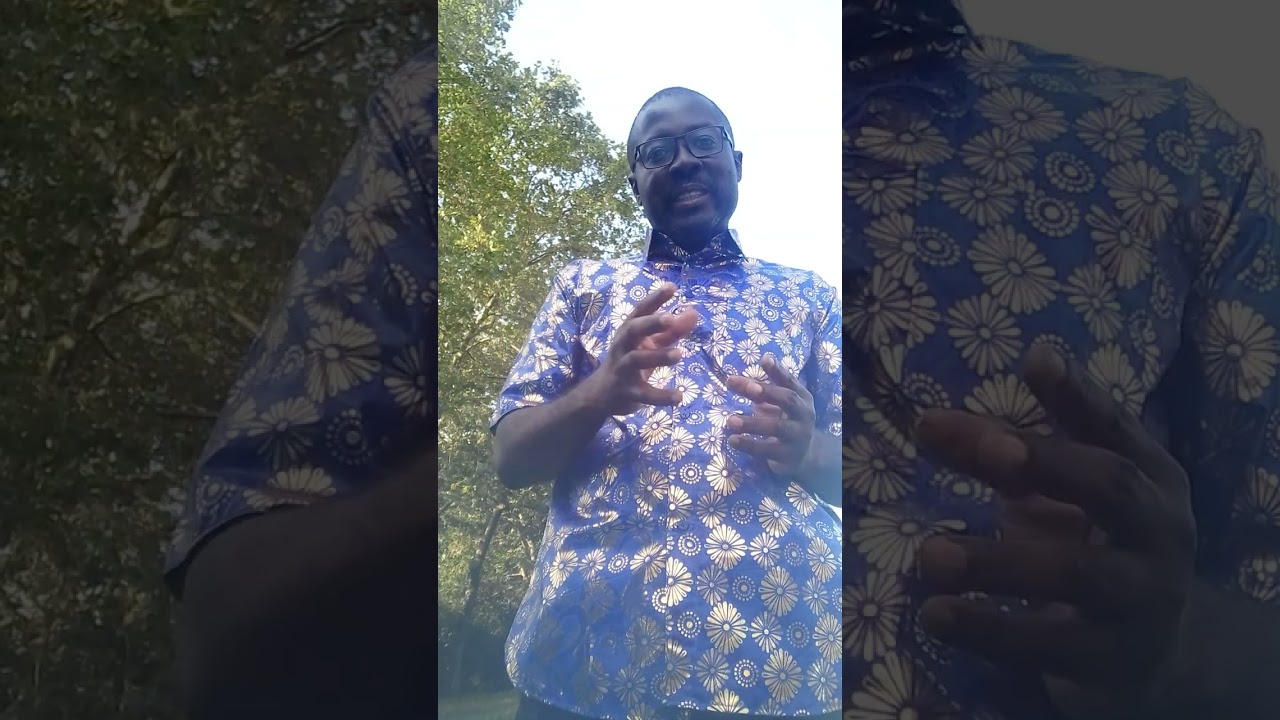

Couabo's video

Contact Couabo

1st lesson is backed
by our Good-fit Instructor Guarantee
by our Good-fit Instructor Guarantee
Similar classes
Good-fit Instructor Guarantee
Contact Couabo