Find the Best Online Arabic Tutors & Teachers for Private Lessons
For over a decade, our private Arabic tutors have been helping learners improve and fulfil their ambitions. With one-on-one lessons online, you’ll enjoy high-quality, personalised teaching that’s tailored to your goals, availability, and learning style.
Find Your Perfect Teacher
Browse our selection of Arabic tutors & teachers and use the filters to find your ideal online class
Contact Teachers for Free
Share your goals and preferences with teachers and choose the Arabic class that suits you best
Book Your First Lesson
Plan the schedule for your first class together. Once your teacher confirms the appointment, you're all set to start on the front foot!
2970 online arabic teachers






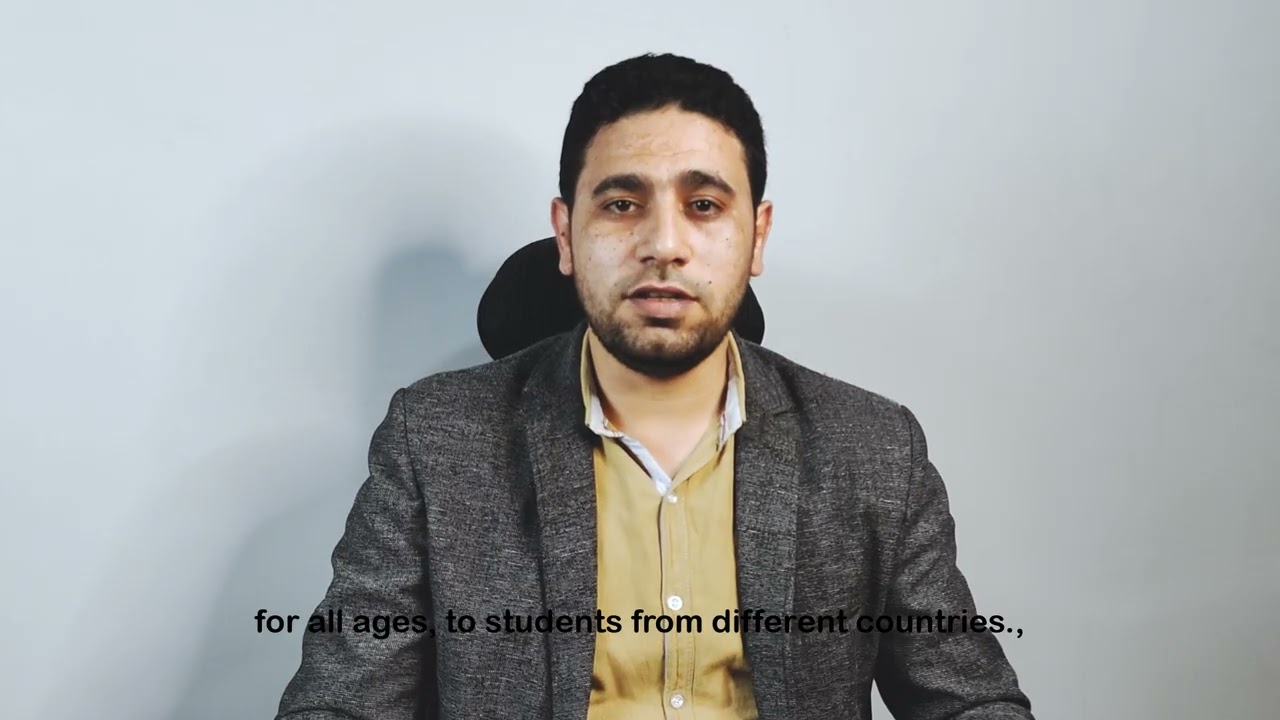
Our students evaluate their Arabic teacher.
To ensure the quality of our Arabic teachers, we ask our students to review them.

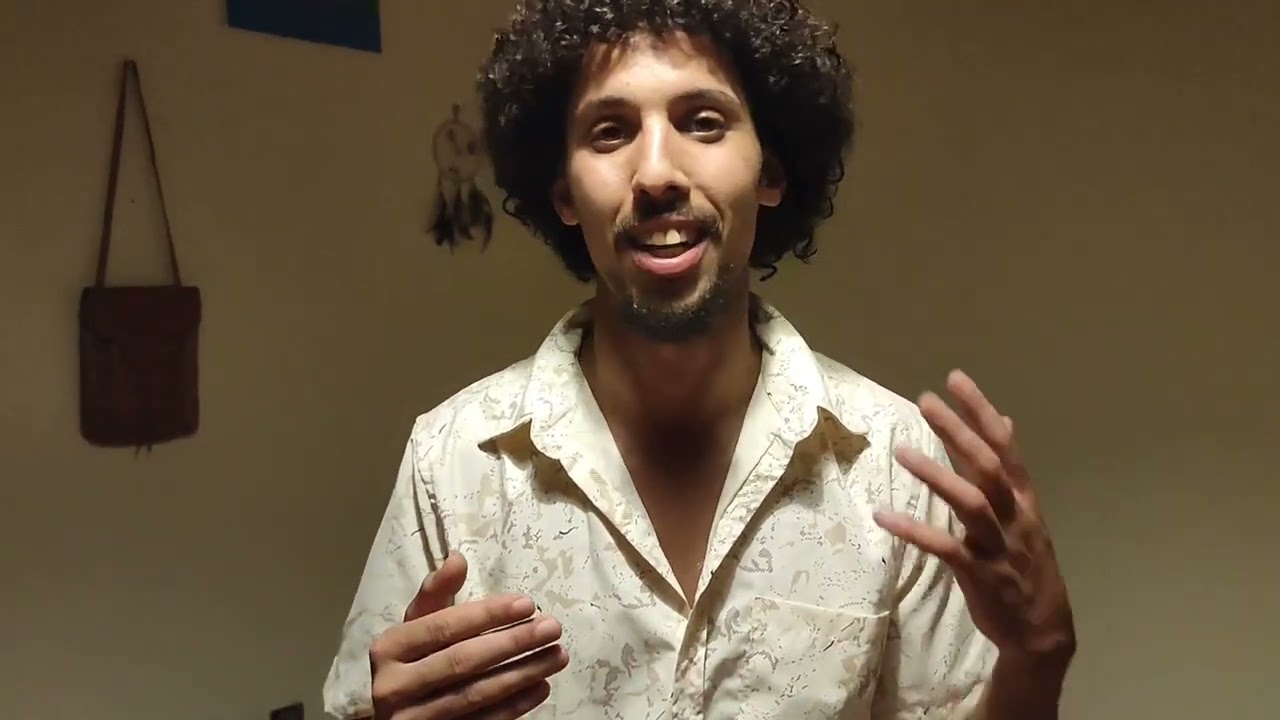
“ I booked my first Arabic initiation with Acine and I absolutely loved it. Acine was very accommodating with our first class. I had a last-minute delay, which resulted in starting the class later than scheduled. He reassured me that it was not an issue and he still managed to maintain the class. My learning experience was also great, he is truthfully the best private teacher I've had. He teaches efficiently, we viewed many subjects for a first class and it was also a fun moment. To sum up, Acine is not the regular teacher you would have at school, he is a great teacher who puts an emphasis on sharing a good moment with his student. ”
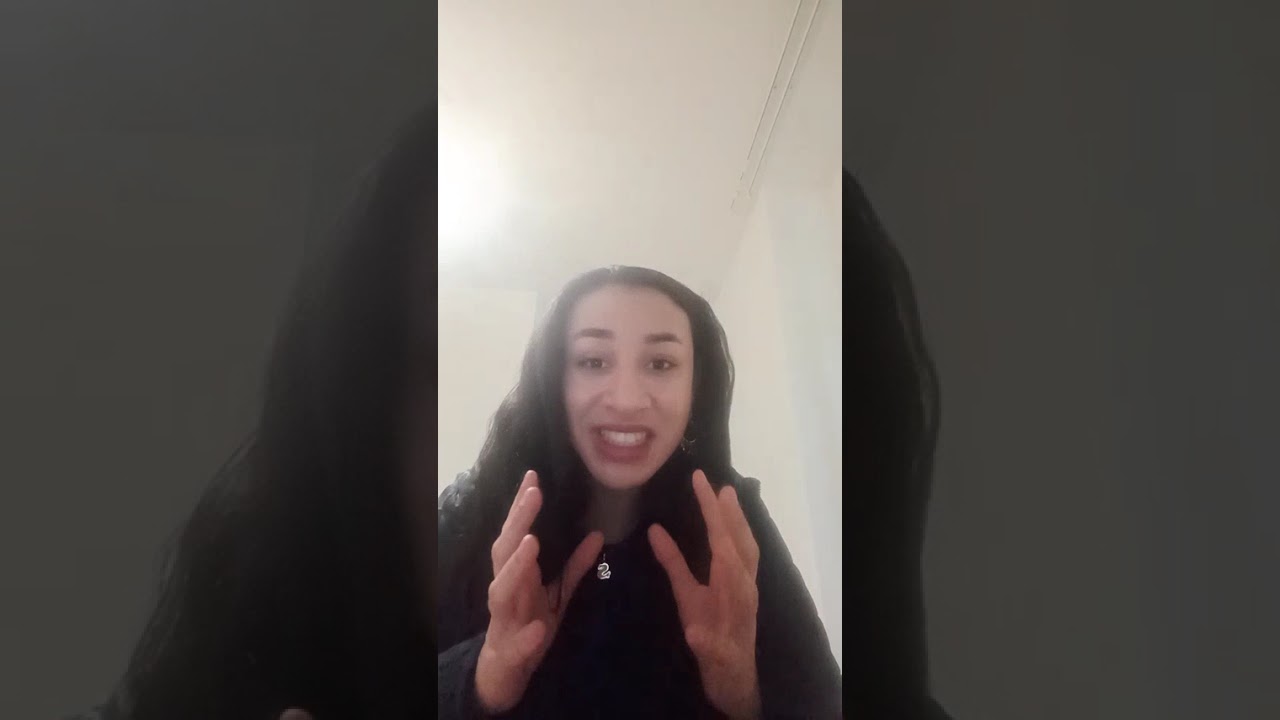
“ I’ve had an amazing experience with Rana today, with my 4,5 year old daughter. She’s so creative and really great at engaging my daughter in the teaching, even though it’s the first time they meet. My daughter is usually shy and needs time to open up to strangers. But Rana managed to “get down to her level” very quickly which made my daughter comfortable and talkative. So I’m very pleased. I appreciate the effort and can only give my strongest recommendations for Rana. ”
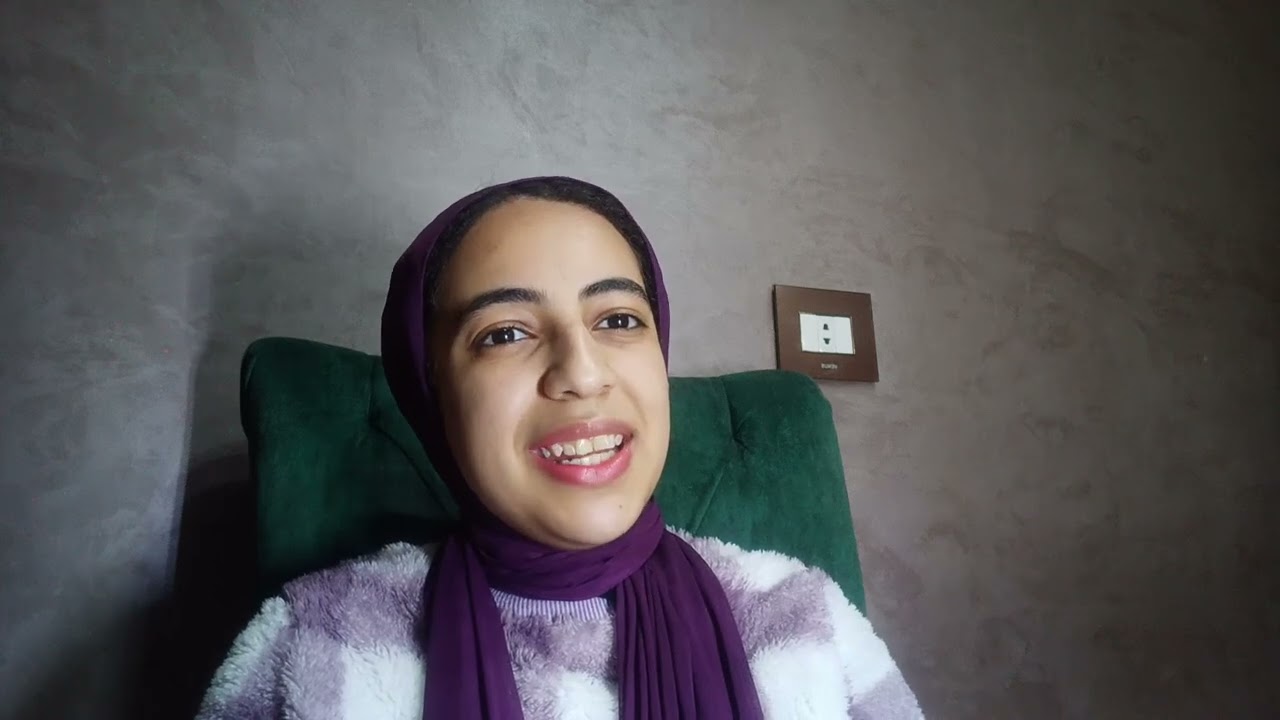
“ Passing through Fes, I had the opportunity for 1-1 tuition with Oumayma. Given my circumstances, we had to use office premises with temporarily limited Internet access. This caused her no apparent difficulty and we worked in French although both of us have Arabic and English skills. At the end of 8 hours, I had achieved my limited goals in colloquial Moroccan arabic and found Oumayma to be a talented tutor, able to adapt professionally to client requirements. ”
To ensure the quality of our Arabic teachers, we ask our students to review them.
Most popular online activities
- Algebra
- Biology
- Calculus
- Chemistry
- Children's Music
- Chinese
- Communication Skills
- Computer Programming
- Computer Science
- Culture
- Economics for Students
- Elementary School Level
- English
- French
- German
- Grammar
- Guitar
- Italian
- Jazz Music
- Keyboard (Music)
- Learning & Study Skills
- Literature
- Mandarin Chinese
- Math
- Music Composition
- Music Theory
- Music Theory Lessons
- Physics
- Piano
- Public Speaking
- Reading
- Russian
- Science
- Singing
- Spanish
- Statistics
- Teaching
- Test Prep
- Tutoring
- Violin
- Vocabulary
- Voice (Music)
- World History
- Writing
- Yoga