


Trusted teacher
This teacher has a fast response time and rate, demonstrating a high quality of service to their students.

Since November 2023
Instructor since November 2023
Full Stack Development (web and Mobile Application Development)

From 101 C$ /h

Description:
Embark on a transformative journey into the world of Full-Stack Development with our dynamic and inclusive course. Whether you're a budding developer, IT enthusiast, or professional looking to expand your skill set, this course is crafted to empower you with a comprehensive toolkit for creating robust and scalable applications.
What You'll Learn:
Microsoft Technologies:
Master C# programming language for versatile application development.
Dive into Asp.net and MVC for building scalable and maintainable web applications.
Database Management:
Explore MSSQL and PostgreSQL for effective database design and management.
Learn to model data, write complex queries, and ensure data security.
APIs and Web Services:
Understand the principles of API development.
Create and consume web services for seamless data exchange.
Front-End Development:
Develop responsive and engaging user interfaces with React js.
Enhance your skills in JavaScript, jQuery, AJAX, Bootstrap, HTML, and CSS.
Optional: React Native for Mobile Application Development:
Explore React Native for cross-platform mobile app development.
Build native-quality applications for iOS and Android.
Real-World Projects:
Full-Stack Web Application: Develop a complete web application integrating front-end and back-end technologies.
Mobile App Project (Optional): Create a mobile application using React Native.
Why Choose Our Course:
Hands-On Experience: Apply your skills through practical projects and coding exercises.
Expert Instructors: Learn from seasoned developers and industry professionals.
Portfolio Development: Build a robust portfolio showcasing your diverse development skills.
Career Guidance: Receive insights into career paths in Full-Stack Development.
Who Is This Course For:
Aspiring Developers
IT Professionals seeking to broaden their skills
Students and Enthusiasts passionate about full-stack development
Join us in this immersive journey to become a Full-Stack Development expert. Enroll now to gain the skills needed to create cutting-edge applications that meet the demands of the digital landscape!
Embark on a transformative journey into the world of Full-Stack Development with our dynamic and inclusive course. Whether you're a budding developer, IT enthusiast, or professional looking to expand your skill set, this course is crafted to empower you with a comprehensive toolkit for creating robust and scalable applications.
What You'll Learn:
Microsoft Technologies:
Master C# programming language for versatile application development.
Dive into Asp.net and MVC for building scalable and maintainable web applications.
Database Management:
Explore MSSQL and PostgreSQL for effective database design and management.
Learn to model data, write complex queries, and ensure data security.
APIs and Web Services:
Understand the principles of API development.
Create and consume web services for seamless data exchange.
Front-End Development:
Develop responsive and engaging user interfaces with React js.
Enhance your skills in JavaScript, jQuery, AJAX, Bootstrap, HTML, and CSS.
Optional: React Native for Mobile Application Development:
Explore React Native for cross-platform mobile app development.
Build native-quality applications for iOS and Android.
Real-World Projects:
Full-Stack Web Application: Develop a complete web application integrating front-end and back-end technologies.
Mobile App Project (Optional): Create a mobile application using React Native.
Why Choose Our Course:
Hands-On Experience: Apply your skills through practical projects and coding exercises.
Expert Instructors: Learn from seasoned developers and industry professionals.
Portfolio Development: Build a robust portfolio showcasing your diverse development skills.
Career Guidance: Receive insights into career paths in Full-Stack Development.
Who Is This Course For:
Aspiring Developers
IT Professionals seeking to broaden their skills
Students and Enthusiasts passionate about full-stack development
Join us in this immersive journey to become a Full-Stack Development expert. Enroll now to gain the skills needed to create cutting-edge applications that meet the demands of the digital landscape!
Extra information
Just You need a computer system and enthusiasm for learning
Location


At student's location :
- Around Iver Heath, United Kingdom
At teacher's location :
- Uxbridge, UK

Online from United Kingdom
About Me
A software Engineer with Overall 9 Years of working experience.
Experienced in Full Stack development with Microsoft technologies as C#, .NET, ASP.NET (MVC), Dot Net Core, MS SQL , Azure Devops, Entity Framework, LINQ, PostgreSQL,
HTML, Java Script, Jquery, CSS, AJAX.
Well Aware of Agile Methodologies and problem solving, analytical and
debugging skills.
Good Knowledge of React and React Native.
Do have a skill set of Graphics Designing and Video editing.
Well aware of Designing and editing software such as Adobe Photoshop,
Adobe Premiere
Experienced in Full Stack development with Microsoft technologies as C#, .NET, ASP.NET (MVC), Dot Net Core, MS SQL , Azure Devops, Entity Framework, LINQ, PostgreSQL,
HTML, Java Script, Jquery, CSS, AJAX.
Well Aware of Agile Methodologies and problem solving, analytical and
debugging skills.
Good Knowledge of React and React Native.
Do have a skill set of Graphics Designing and Video editing.
Well aware of Designing and editing software such as Adobe Photoshop,
Adobe Premiere
Education
Secondary education with Major Maths and Physics
Bachelor of Engineering in Computer Science (2008-2012) from university of Jammu
MBA with Digital Marketing from University of the West of scotland
Bachelor of Engineering in Computer Science (2008-2012) from university of Jammu
MBA with Digital Marketing from University of the West of scotland
Experience / Qualifications
9 years Industry Experience.
Served in IT , Animation and Business Development Industry.
worked for award Winning Government of India Projects. COVID Analytics and Data Collection Project
Served in IT , Animation and Business Development Industry.
worked for award Winning Government of India Projects. COVID Analytics and Data Collection Project
Age
Children (7-12 years old)
Teenagers (13-17 years old)
Adults (18-64 years old)
Seniors (65+ years old)
Student level
Beginner
Intermediate
Advanced
Duration
30 minutes
45 minutes
60 minutes
The class is taught in
English

Availability of a typical week
(GMT -04:00)
New York

At teacher's location and via webcam

At student's home
Mon
Tue
Wed
Thu
Fri
Sat
Sun
00-04
04-08
08-12
12-16
16-20
20-24
Description:
Embark on an immersive journey into the world of Front-End Development with our comprehensive course. Whether you're a budding web developer, designer, or entrepreneur looking to enhance your online presence, this course is your gateway to mastering the essential technologies that power the visual aspects of websites.
What You'll Learn:
HTML Fundamentals:
Master the building blocks of the web with HTML.
Create structured and semantically meaningful web pages.
CSS Styling and Layout:
Dive into the world of CSS for styling and layout.
Implement responsive design and create visually appealing interfaces.
JavaScript Essentials:
Explore the fundamentals of JavaScript programming.
Learn to manipulate the Document Object Model (DOM) for dynamic web content.
jQuery for Rapid Development:
Harness the power of jQuery to simplify complex JavaScript tasks.
Build interactive and animated web elements with ease.
Asynchronous JavaScript (AJAX):
Understand asynchronous programming concepts.
Implement AJAX for seamless data retrieval and dynamic content updates.
Real-World Projects:
Responsive Web Design: Craft a responsive and mobile-friendly website using HTML and CSS.
Interactive UI Elements: Develop dynamic user interfaces with JavaScript and jQuery.
AJAX-Powered Applications: Build a data-driven web application with asynchronous data loading.
Why Choose Our Course:
Hands-On Learning: Apply your skills through practical, real-world projects.
Experienced Instructors: Learn from industry professionals with extensive Front-End Development experience.
Portfolio Building: Create a robust portfolio showcasing your skills to potential employers.
Collaborative Environment: Engage in collaborative coding exercises to enhance your problem-solving skills.
Who Is This Course For:
Aspiring Web Developers
Designers transitioning to Development
Entrepreneurs managing their online presence
Anyone interested in creating engaging and responsive websites
Join us in this exciting journey to become a Front-End Development master. Enroll now to transform your web development skills and bring your digital visions to life!
Embark on an immersive journey into the world of Front-End Development with our comprehensive course. Whether you're a budding web developer, designer, or entrepreneur looking to enhance your online presence, this course is your gateway to mastering the essential technologies that power the visual aspects of websites.
What You'll Learn:
HTML Fundamentals:
Master the building blocks of the web with HTML.
Create structured and semantically meaningful web pages.
CSS Styling and Layout:
Dive into the world of CSS for styling and layout.
Implement responsive design and create visually appealing interfaces.
JavaScript Essentials:
Explore the fundamentals of JavaScript programming.
Learn to manipulate the Document Object Model (DOM) for dynamic web content.
jQuery for Rapid Development:
Harness the power of jQuery to simplify complex JavaScript tasks.
Build interactive and animated web elements with ease.
Asynchronous JavaScript (AJAX):
Understand asynchronous programming concepts.
Implement AJAX for seamless data retrieval and dynamic content updates.
Real-World Projects:
Responsive Web Design: Craft a responsive and mobile-friendly website using HTML and CSS.
Interactive UI Elements: Develop dynamic user interfaces with JavaScript and jQuery.
AJAX-Powered Applications: Build a data-driven web application with asynchronous data loading.
Why Choose Our Course:
Hands-On Learning: Apply your skills through practical, real-world projects.
Experienced Instructors: Learn from industry professionals with extensive Front-End Development experience.
Portfolio Building: Create a robust portfolio showcasing your skills to potential employers.
Collaborative Environment: Engage in collaborative coding exercises to enhance your problem-solving skills.
Who Is This Course For:
Aspiring Web Developers
Designers transitioning to Development
Entrepreneurs managing their online presence
Anyone interested in creating engaging and responsive websites
Join us in this exciting journey to become a Front-End Development master. Enroll now to transform your web development skills and bring your digital visions to life!
Embark on a journey to become a proficient C# programmer with our comprehensive course tailored for beginners and those looking to enhance their coding skills. Whether you're aspiring to develop software applications, web services, or games, this course is your key to mastering the fundamentals and beyond.
What You'll Learn:
Introduction to C#:
Understand the syntax and structure of the C# language.
Master fundamental concepts like variables, data types, and control structures.
Object-Oriented Programming (OOP):
Dive deep into the principles of OOP for building modular and scalable code.
Create and manipulate objects, classes, and inheritance.
Exception Handling and Debugging:
Learn effective strategies for handling errors and exceptions.
Debug and optimize your code for robust performance.
Working with Databases:
Connect your C# applications to databases for data storage and retrieval.
Utilize Entity Framework for seamless database interaction.
Graphical User Interface (GUI) Development:
Design intuitive and responsive user interfaces.
Implement event handling and user interactions.
Web Development with ASP.NET:
Explore web development using C# with ASP.NET.
Build dynamic and interactive web applications.
Version Control with Git:
Learn essential version control techniques using Git.
Collaborate with other developers and manage project versions efficiently.
Why Choose Our Course:
Practical Projects: Apply your skills through hands-on coding projects.
Expert Instructors: Learn from experienced C# developers and industry professionals.
Peer Collaboration: Engage in collaborative coding exercises and projects for a real-world experience.
Career Guidance: Receive insights into C# career paths and industry best practices.
Who Is This Course For:
Aspiring Software Developers
Web Developers
Students and Enthusiasts
Professionals looking to upskill in C#
Unlock the world of C# programming and elevate your coding prowess. Enroll now to start your journey towards mastering the essentials of C# programming!
What You'll Learn:
Introduction to C#:
Understand the syntax and structure of the C# language.
Master fundamental concepts like variables, data types, and control structures.
Object-Oriented Programming (OOP):
Dive deep into the principles of OOP for building modular and scalable code.
Create and manipulate objects, classes, and inheritance.
Exception Handling and Debugging:
Learn effective strategies for handling errors and exceptions.
Debug and optimize your code for robust performance.
Working with Databases:
Connect your C# applications to databases for data storage and retrieval.
Utilize Entity Framework for seamless database interaction.
Graphical User Interface (GUI) Development:
Design intuitive and responsive user interfaces.
Implement event handling and user interactions.
Web Development with ASP.NET:
Explore web development using C# with ASP.NET.
Build dynamic and interactive web applications.
Version Control with Git:
Learn essential version control techniques using Git.
Collaborate with other developers and manage project versions efficiently.
Why Choose Our Course:
Practical Projects: Apply your skills through hands-on coding projects.
Expert Instructors: Learn from experienced C# developers and industry professionals.
Peer Collaboration: Engage in collaborative coding exercises and projects for a real-world experience.
Career Guidance: Receive insights into C# career paths and industry best practices.
Who Is This Course For:
Aspiring Software Developers
Web Developers
Students and Enthusiasts
Professionals looking to upskill in C#
Unlock the world of C# programming and elevate your coding prowess. Enroll now to start your journey towards mastering the essentials of C# programming!
Show more
Similar classes


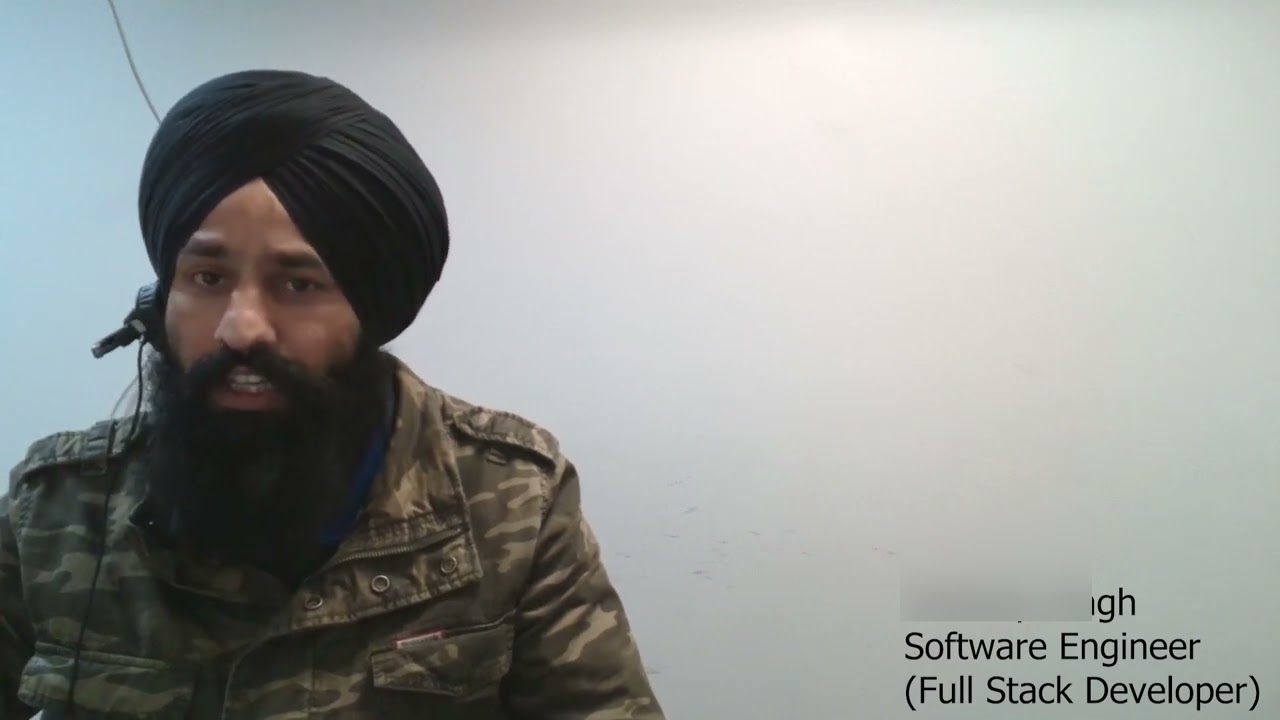

Pardeep's video

Contact Pardeep

1st lesson is backed
by our Good-fit Instructor Guarantee
by our Good-fit Instructor Guarantee
Similar classes
Good-fit Instructor Guarantee
Contact Pardeep