

1/15


Trusted teacher
This teacher has a fast response time and rate, demonstrating a high quality of service to their students.

Since January 2022
Instructor since January 2022
Translated by Google
Filmmaking - Camera Technique - Advertising - Music Video - Corporate

From 199 C$ /h

I offer private lessons in Directing, Image Technique and Editing.
This course is for you if you want to start or improve your skills in:
- Realization of short films
- Realization of advertisements
- Production of music videos
- Production of corporate films
- Creation of content for Social Networks (ads)
- Technical Camera
- Editing on Adobe Premiere Pro
This course is for you if you want to start or improve your skills in:
- Realization of short films
- Realization of advertisements
- Production of music videos
- Production of corporate films
- Creation of content for Social Networks (ads)
- Technical Camera
- Editing on Adobe Premiere Pro
Extra information
To progress effectively, I ask you to bring a concrete project on which we can progress together. Whether it is at the idea, development or finalization stage.
(Clip, Pub, Film, Promotion;..)
(Clip, Pub, Film, Promotion;..)
Location


At student's location :
- Around Ottignies-Louvain-la-Neuve, Belgium

Online from Belgium
About Me
Director and Chief Operator for 7 years.
After having made music videos for Dadju, Tayc, Alkpote, Caba and JJ, Frenetik, passing through the scenography of Damso and the production of Short Films for RTBF, I immersed myself in the world of advertising in which I am specialized.
After having made music videos for Dadju, Tayc, Alkpote, Caba and JJ, Frenetik, passing through the scenography of Damso and the production of Short Films for RTBF, I immersed myself in the world of advertising in which I am specialized.
Education
3 years of Cinema studies in option "Image Technique" at HELB (INRACI)
Independent since 2018, I trained in the different techniques of realization and production.
Independent since 2018, I trained in the different techniques of realization and production.
Experience / Qualifications
Many achievements in the advertising sector, short film, clip and social networks for major brands.
Age
Children (7-12 years old)
Teenagers (13-17 years old)
Adults (18-64 years old)
Seniors (65+ years old)
Student level
Beginner
Intermediate
Advanced
Duration
30 minutes
45 minutes
60 minutes
The class is taught in
French
English

Availability of a typical week
(GMT -04:00)
New York

Online via webcam

At student's home
Mon
Tue
Wed
Thu
Fri
Sat
Sun
00-04
04-08
08-12
12-16
16-20
20-24
Similar classes


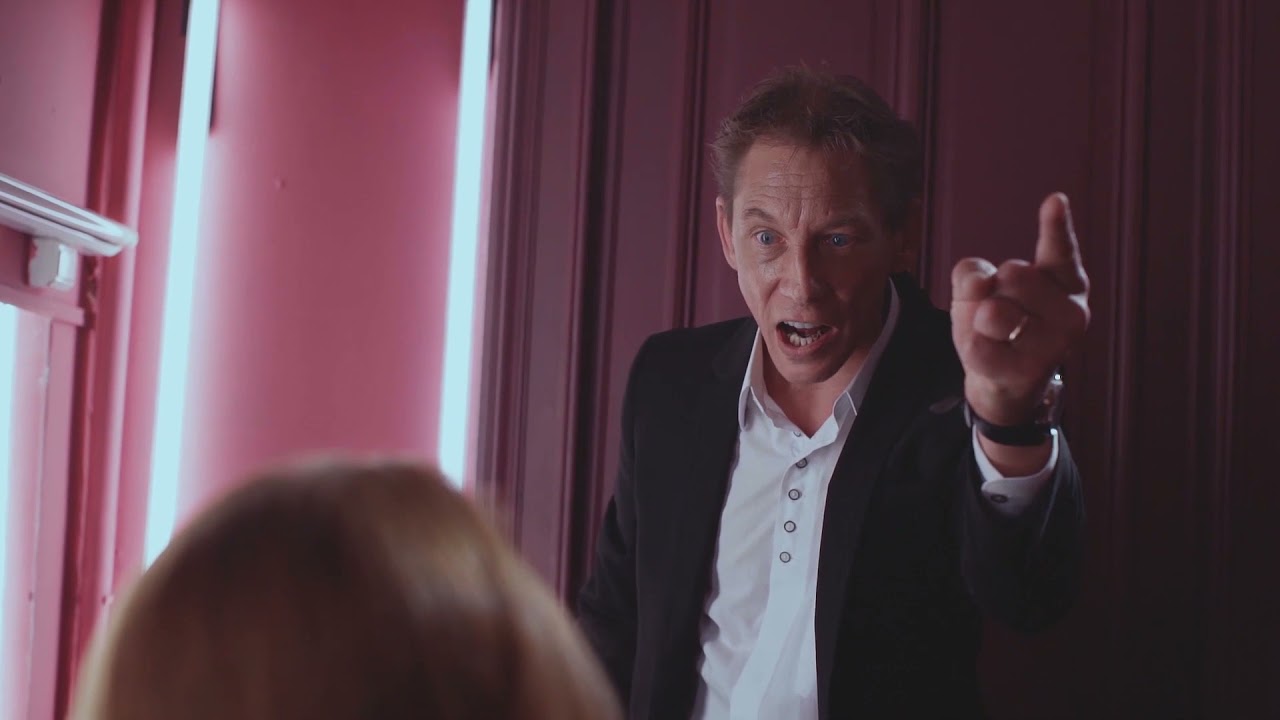

Baudouin's video

Contact Baudouin

1st lesson is backed
by our Good-fit Instructor Guarantee
by our Good-fit Instructor Guarantee
Similar classes
Good-fit Instructor Guarantee
Contact Baudouin